


−33%
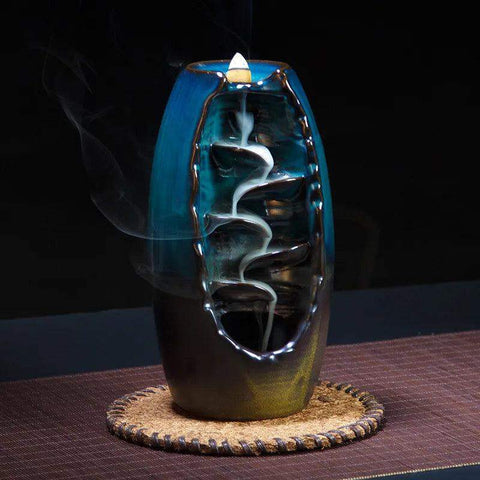
Waterfall Incense Back Flow Burner
$19.99$29.99
Incense waterfalls
The falling smoke-waterfall effect needs two things together: a backflow burner with a channel through it, and hollow-bottomed backflow cones. Fifteen cone scents at $4.99, plus the waterfall burner itself.
For shoppers looking for an incense waterfall, a backflow incense burner, or backflow incense cones.
Neither part makes the effect alone. Ordinary cones will not flow downward.
Fifteen scents across Satya and Hem — sandalwood, nag champa, sage, palo santo, rose.
The smoke is only just heavy enough to fall. Keep it away from vents and open windows.
Short answer
It is the everyday name for a backflow incense burner — a piece shaped so smoke runs downward over it and pools like water instead of rising. It only works with backflow cones, which have a hollow channel through the base that lets the heavier, cooler smoke sink through the burner. An ordinary solid cone burns upward and produces no effect at all. Buy the burner and the cones together, keep it out of a draught, and the effect is immediate.
Start here
Part one
The sculpture with a channel through it. Without the channel there is nowhere for the smoke to sink, so no ordinary holder will do this job however heat-safe it is.
Shop the waterfall burnerPart two
Hollow-bottomed cones, sold in fifteen scents at $4.99. These are what makes the smoke heavy and cool enough to fall. Solid cones will not work.
Shop cone scentsJust the scent
If you want the fragrance without the effect, ordinary sticks and cones in a standard ash catcher are cheaper and easier to live with day to day.
Shop incense holdersHow it works
Not flowing downward, going out early, or smoking upward instead? The setup guide covers seating the cone, draughts, and clearing a blocked channel.
Read the setup guideAll fifteen cone scents
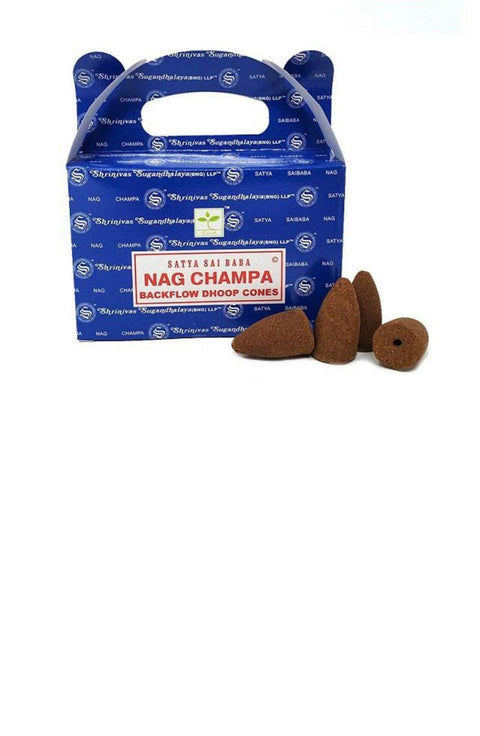
The most recognisable incense scent there is — warm, resinous, slightly sweet.
$4.99
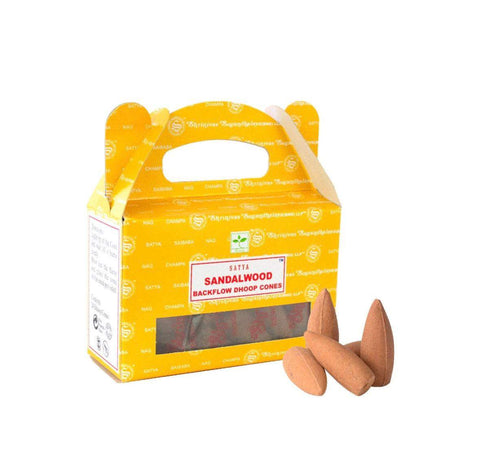
Shop Satya Nag ChampaCreamy, woody, and calm. The safest starting point if Nag Champa is too sweet.
$4.99
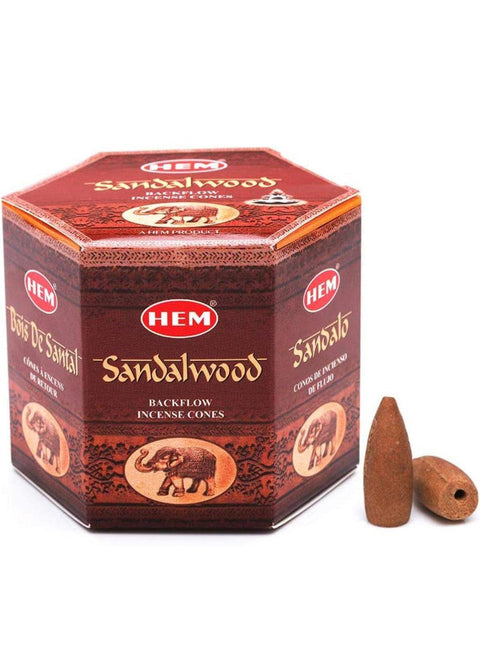
Shop Satya SandalwoodHem's take on sandalwood — a drier, sharper wood than the Satya version.
$4.99
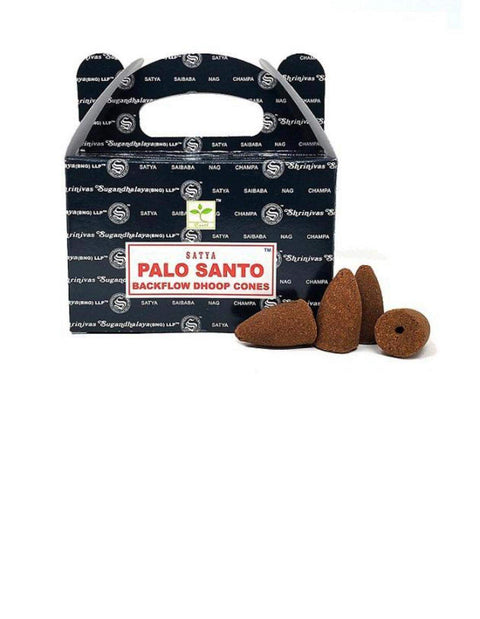
Shop Hem SandalwoodSweet, resinous holy wood with a citrus edge.
$4.99
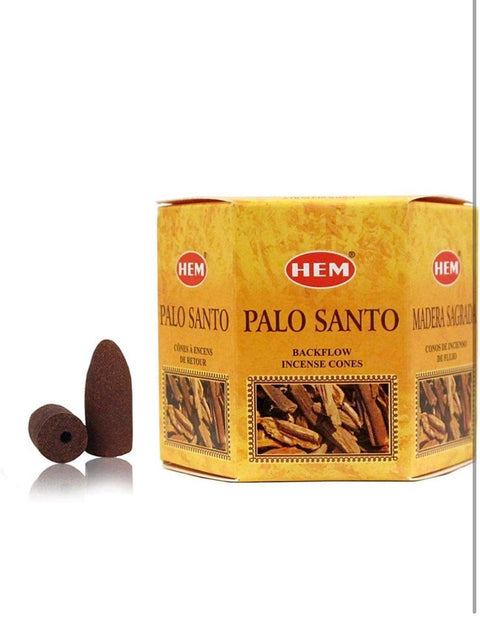
Shop Satya Palo SantoA lighter, brighter palo santo for a smaller room.
$4.99
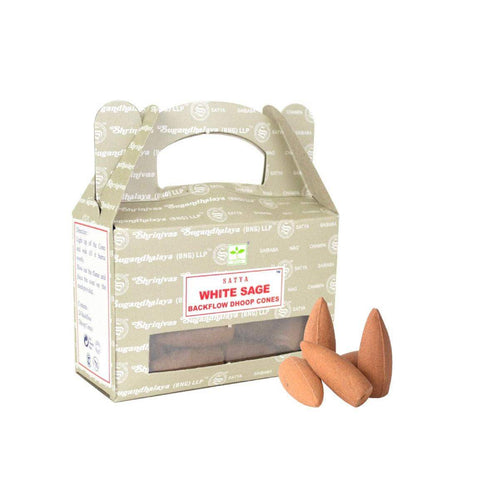
Shop Hem Palo SantoGreen, herbal, and clean — the cleansing-ritual scent in cone form.
$4.99
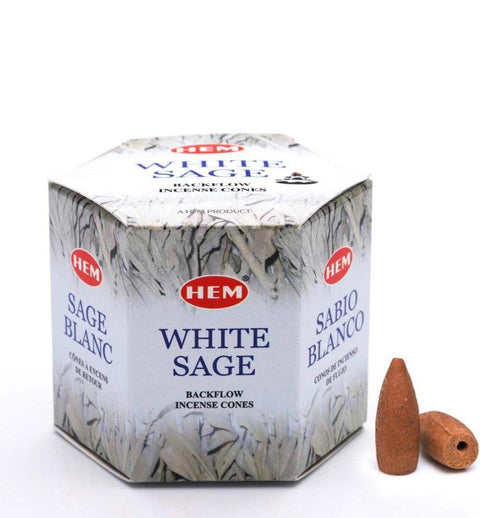
Shop Satya White SageHem's white sage, a touch sharper and more herbaceous.
$4.99
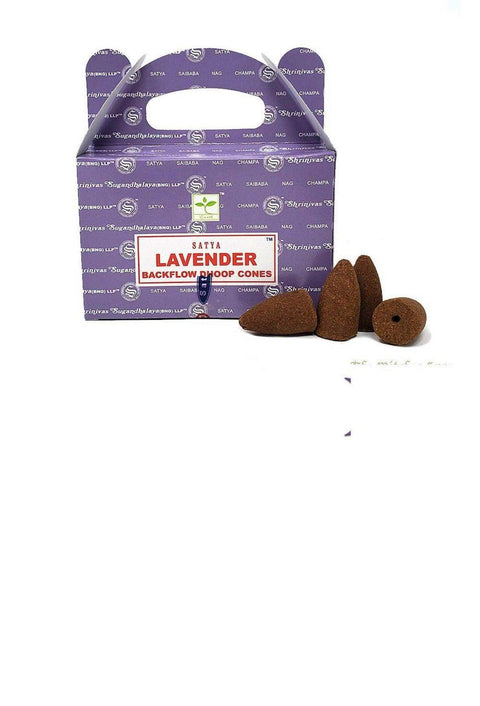
Shop Hem White SageSoft floral lavender — the gentlest cone in the range.
$4.99
Shop Satya LavenderA more pronounced lavender with a drier finish.
$4.99
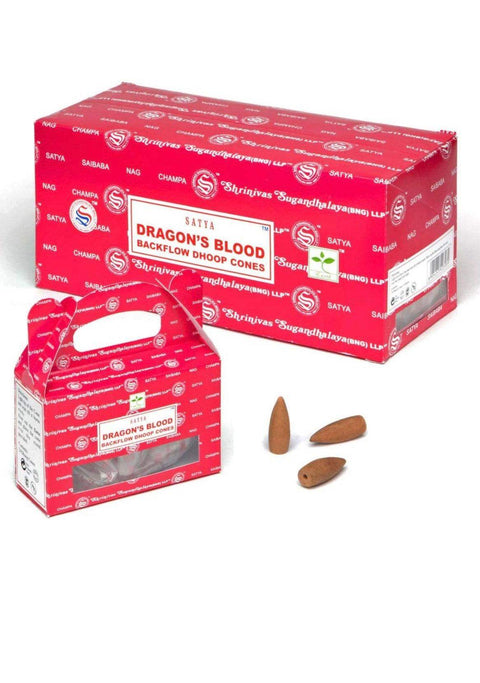
Shop Hem LavenderDeep, sweet resin — bold and unmistakable.
$4.99
Shop Satya Dragon BloodA true floral rose rather than a powdery one.
$4.99
Shop Satya RoseA richer, deeper rose than the Satya version.
$4.99
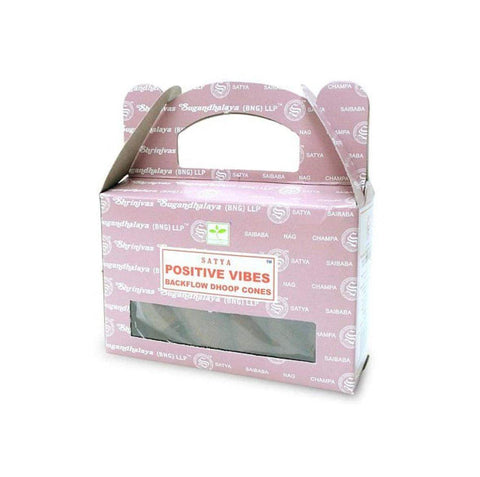
Shop Hem Red RoseA bright blended scent made for a lift rather than a ritual.
$4.99
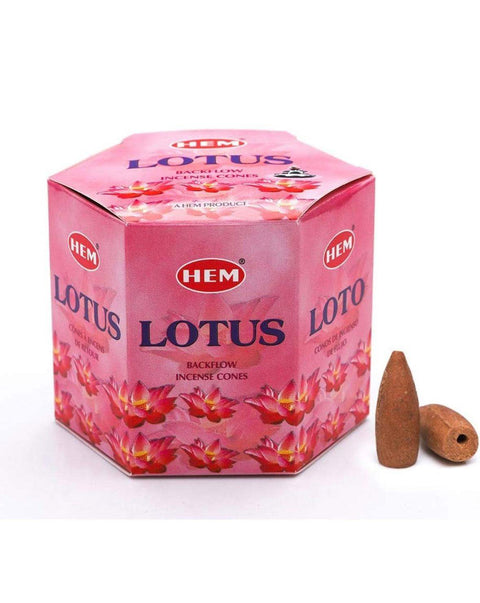
Shop Satya Positive VibesClean, watery floral — the lightest option here.
$4.99
Shop Hem LotusWarm, soft, and lingering. The most enveloping of the fifteen.
$4.99
Shop Hem MuskNew to incense? The cones vs sticks vs backflow format guide compares burn time and smoke output, and the backflow burners guide covers picks and setup.
Backflow or ordinary
A channel runs through the bottom of the cone. The smoke cools as it passes through, becomes heavier than the surrounding air, and sinks — which is what produces the waterfall. They only do this in a backflow burner.
Smoke rises off the top as it would from a stick. Cheaper, more widely available, and completely fine if the effect is not the point — but they need a heat-safe dish, since a cone burns down into its own base.
For everything that is not backflow, see incense sticks, incense holders, or the full incense range.
Scents in this range
Satya and Hem, across woods, resins, herbs, and florals.
It is the common name for a backflow incense burner — a burner shaped so that smoke from a special hollow cone runs downward over the sculpture instead of rising, pooling and cascading like water. The effect needs two things together: a backflow burner with a channel through it, and backflow cones with a hollow bottom. Neither produces it alone.
Yes. A backflow cone has a hollow channel through its base that lets the heavier, cooler smoke sink through the burner rather than rise off the top. An ordinary solid cone simply burns upward and gives you no waterfall at all. Every cone on this page is a backflow cone.
You can burn them safely in a heat-safe holder, but you will not get the falling-smoke effect — that needs the channel built into a backflow burner. If you want the effect, you need the burner. If you just want the scent, an ordinary heat-safe holder is fine.
Almost always a draught, or the cone not being seated over the hole. The smoke is only just heavy enough to fall, so an open window, a fan, or an air-conditioning vent will lift it straight off the piece. The full troubleshooting walk-through is in the backflow setup and troubleshooting guide.
If you have never burned incense before, start with Satya Sandalwood — creamy, woody, and hard to dislike. Nag Champa is the classic and the most recognisable, but it is sweeter and more resinous. For something bolder go to Dragon Blood; for something gentle, Lavender or Lotus.
They are two long-established Indian incense makers with different house styles. Broadly, Satya blends tend to be sweeter and more rounded, and Hem versions of the same scent tend to be drier and sharper. Both are $4.99 here, so the cheapest way to find your preference is to try one of each in a scent you already like — sandalwood, white sage, and lavender are all available in both.
On a heat-safe, non-flammable surface, out of any draught, and away from curtains, paper, and anything that could catch. Draught is the main enemy of the effect as well as a safety point. Never leave it burning unattended, keep it out of reach of children and pets, and ventilate the room.
Let it cool completely, tip out the ash, and wipe the channel — residue builds up in the hole over time and a blocked channel is the second most common reason the smoke stops falling properly. A cotton bud through the hole every few uses is usually enough.