


−28%
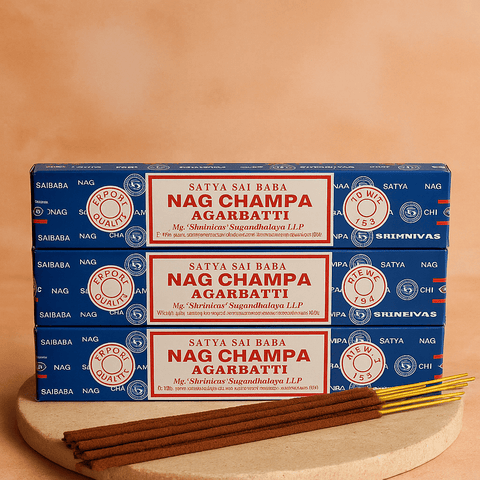
Satya Nag Champa Incense Sticks
$12.99$17.99
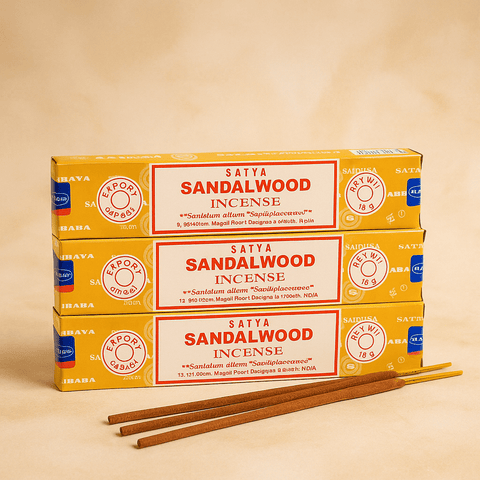
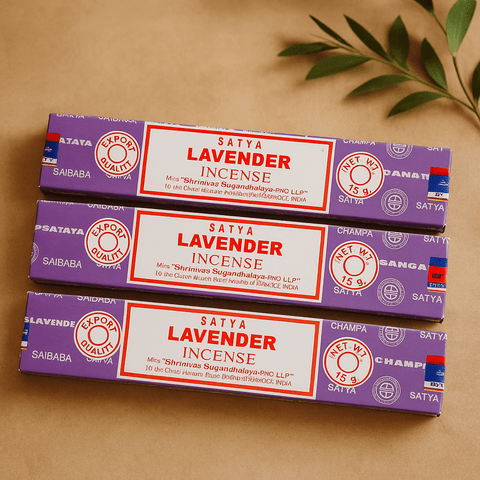
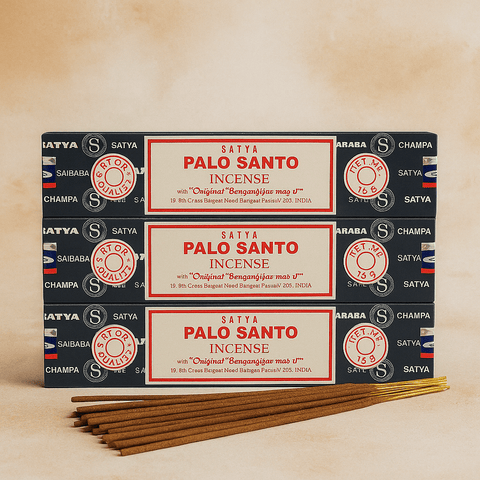
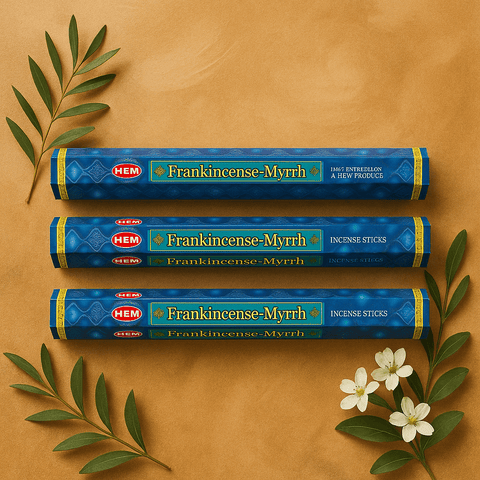
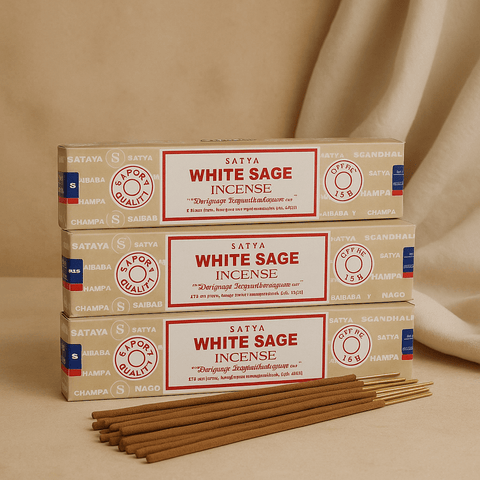
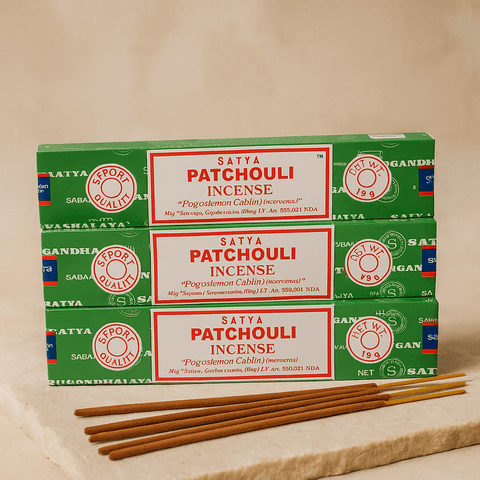
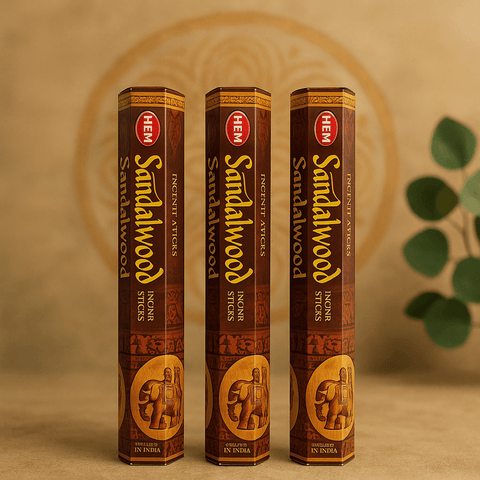
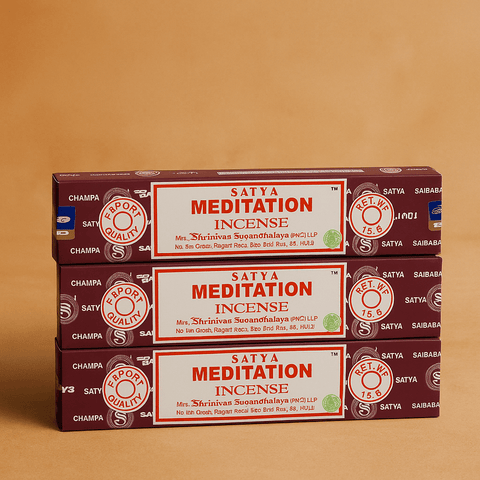
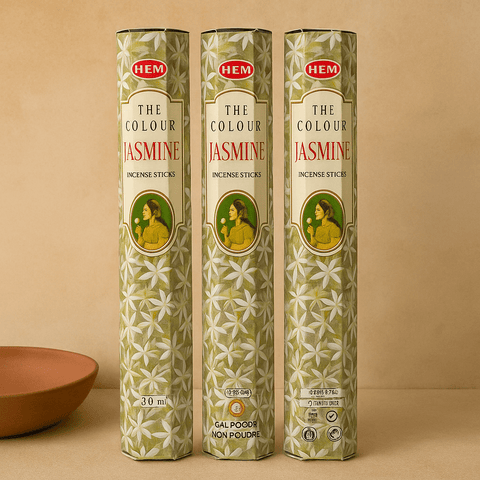
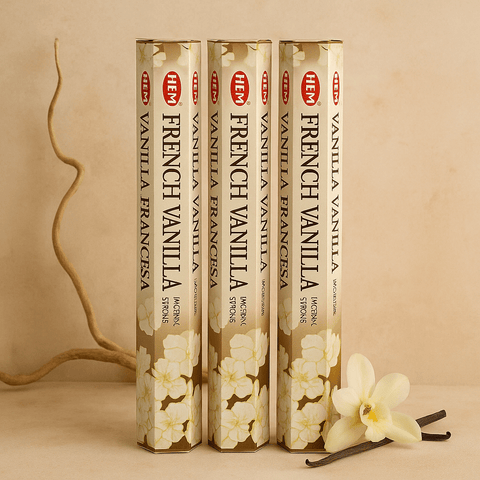
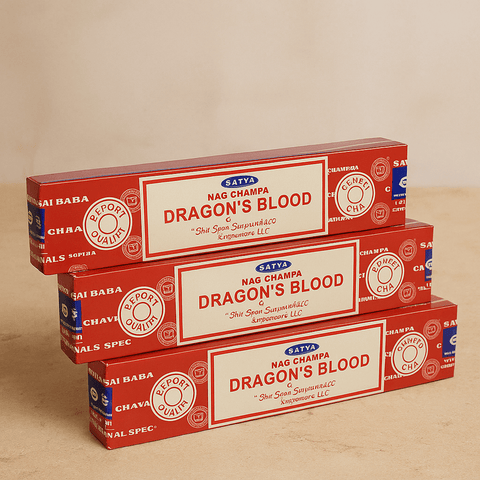
Our handcrafted incense sticks are hand-rolled using traditional methods and natural ingredients for a clean, even burn with rich, aromatic scent. Whether you burn incense for meditation, relaxation, yoga, spiritual practice, or simply to make your home smell amazing — we have 51 fragrances to choose from.
Mass-produced incense sticks often use synthetic binders, chemical fragrances, and wood fillers that create harsh, acrid smoke. Our incense is hand-rolled in small batches with natural fragrance oils and plant-based ingredients. The difference: a cleaner burn, less smoke, and a truer scent that doesn't leave your room smelling like chemicals.
Place in any incense holder (see our incense holder collection), light the tip, blow out the flame, and let the fragrant smoke fill your space. Each stick burns for approximately 30–45 minutes.
Starting at just $2.99 per pack. Pair with our incense holders for the complete experience.
Resources
50+ incense stick scents from Hem, Satya, Nandita, and Aum. Below — brand comparison (Hem vs Satya vs Nandita vs Aum), single-note scent library, format and burn-time comparisons, and how to choose by purpose.
Incense is any material — typically plant resin, wood, or compressed paste — that releases fragrance when heated or burned. The most common modern formats are sticks, cones, backflow cones, smudge bundles, and loose resin burned on charcoal discs. Incense has been used continuously for over 6,000 years across nearly every human culture.
Sticks are 9-inch bamboo splints with fragrance paste; they burn 45–60 minutes per stick with wide ambient scent. Cones are solid compressed paste; they burn 15–25 minutes with concentrated scent. Backflow cones have a hollow vertical channel that produces a downward waterfall of dense smoke — same scent as standard cones, but visually dramatic in a sculpted backflow burner.
Hem ($9.99) is the workhorse — biggest scent variety, lowest per-stick cost. Satya ($9.99–$19.99) is the icon — original Nag Champa, classic blends. Nandita ($14.99) is premium masala — intense scent throw. Aum bambooless ($14.99) is the cleanest burn — no bamboo core, 15–20% less smoke. Aroma Paradise stocks all four.
Bambooless incense has no internal bamboo core — the entire stick is compressed fragrance paste. The result is 15–20% less smoke, no woody-burnt undertone, and a purer scent of the actual fragrance. Aroma Paradise's Aum bambooless line offers 11 scents at $14.99 — the cleanest-burning incense format we stock.
Backflow incense cones have a hollow vertical channel running through the center. As the cone burns, smoke cools inside the channel — and cooled smoke is denser than surrounding air, so it sinks. The dense smoke pours out the bottom of the cone and runs down the burner's sculpted path, creating the waterfall effect. Standard cones don't work in backflow burners.
Used moderately in ventilated rooms, yes — comparable to burning candles or a small fireplace. A 30-minute session in a room with cracked window or running exhaust raises particulate levels minimally. Heavy daily use in closed spaces builds PM2.5 levels. Specific groups (asthmatics, pregnant women, infants, birds) should be cautious or avoid heavy use.
Sandalwood is the global default for meditation — calming without sedating, with deep cultural ties to Indian, Buddhist, and Jain tradition. Nag Champa is a close second for yoga-adjacent practice. Frankincense and Lotus are excellent for spiritual or contemplative meditation. Avoid energizing scents like eucalyptus or peppermint during meditation.
Palo santo (Bursera graveolens) is a small tree native to Peru, Ecuador, and Bolivia that produces aromatic resin in the heartwood after the tree dies and decomposes for 4–10 years. The species is classified as vulnerable in some regional assessments. Sustainable palo santo is collected from naturally fallen trees on the forest floor — never from live cut trees. Aroma Paradise sources palo santo from suppliers documenting naturally-fallen harvest.